
Dubai · Jumeirah

Veneers in Dubai

We change the shape and shade of your front teeth and close chips and gaps. You see the shape before any work starts — in 3D and on a try-in.

E-max porcelain · Feldspathic ceramic · Price after examination

Choosing the veneer shade on the scale
4,9on Google, over 400 reviews
17 yearsin practice, in the UAE since 2016
DHAthe clinic is licensed in Dubai

What veneers solve

This is not dental treatment but a change in how teeth look. Decay, gum inflammation and bite problems are treated before — not instead.

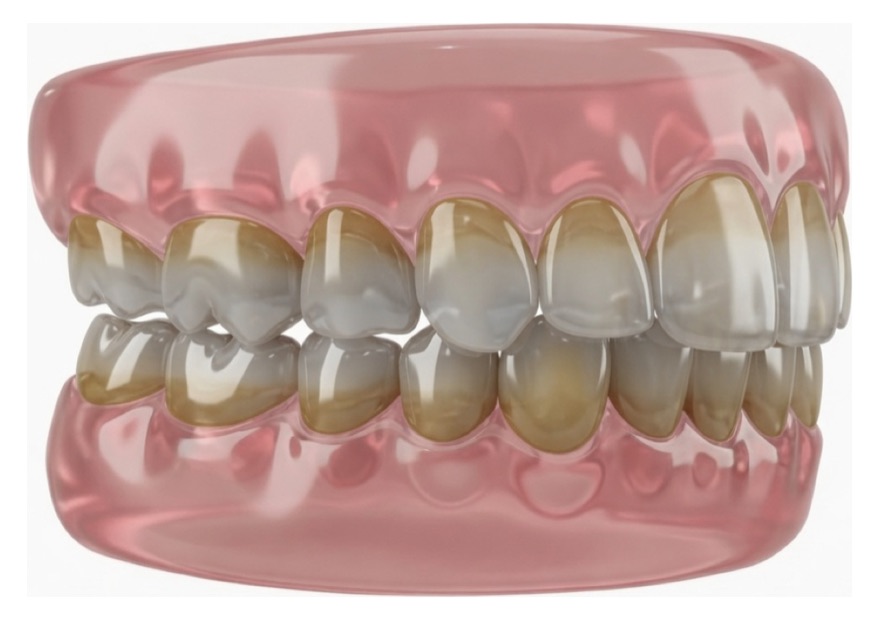
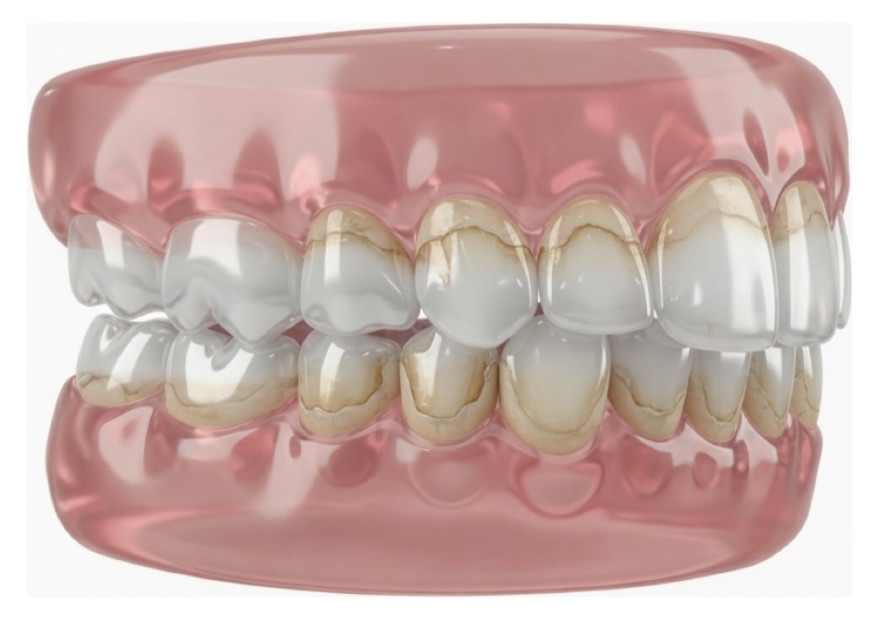
Darkened teeth

Teeth have darkened

Whitening no longer works — the pigment sits deeper than the enamel.

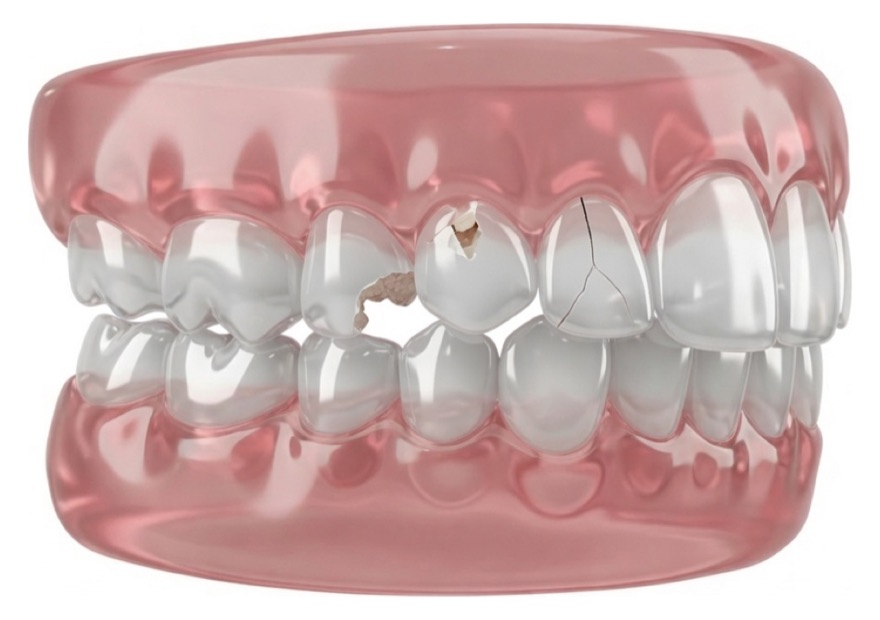
A chipped tooth edge and a crack in the enamel

Chips and cracks

The edge of a tooth is chipped or a crack runs through the enamel.

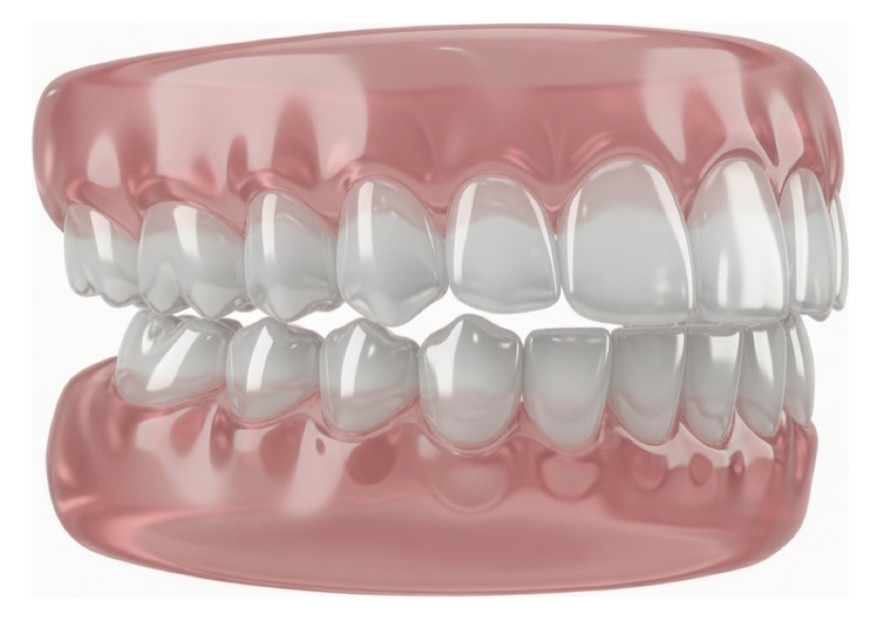
Teeth of different lengths

Teeth of different lengths

The row looks uneven although the bite is fine.

Old fillings on the front teeth

Old fillings show

On the front teeth the restorations differ in colour from your own enamel.

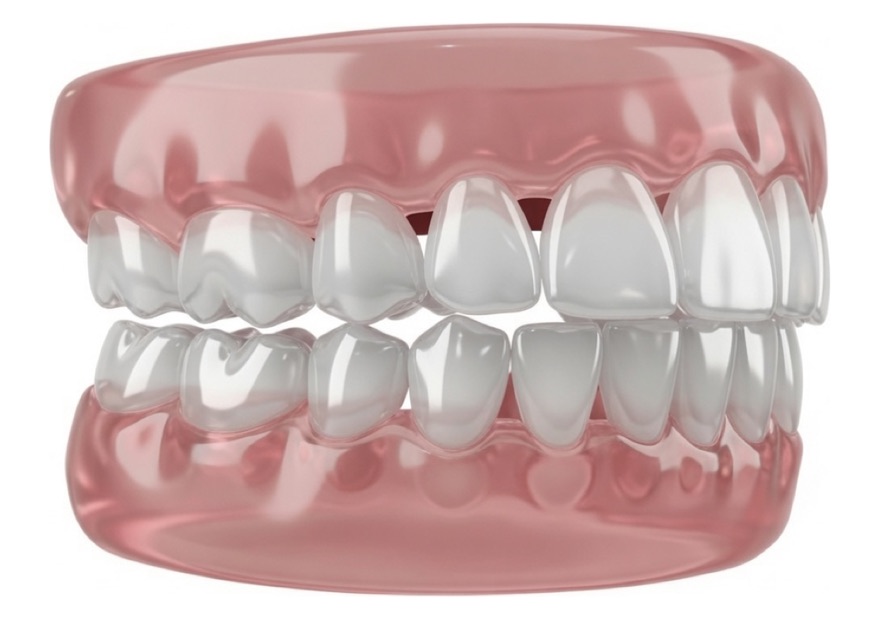
Gaps between the teeth

Gaps between the teeth

Gaps that show when you speak and in photos.

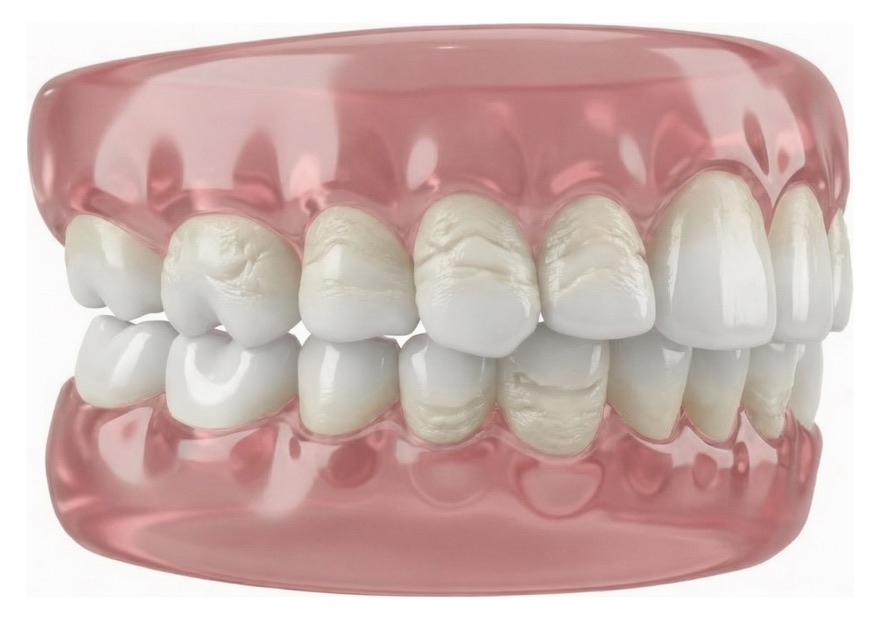
Enamel hypoplasia and erosion

Enamel hypoplasia and erosion

White and yellowish patches and grooves — cleaning does not remove them.

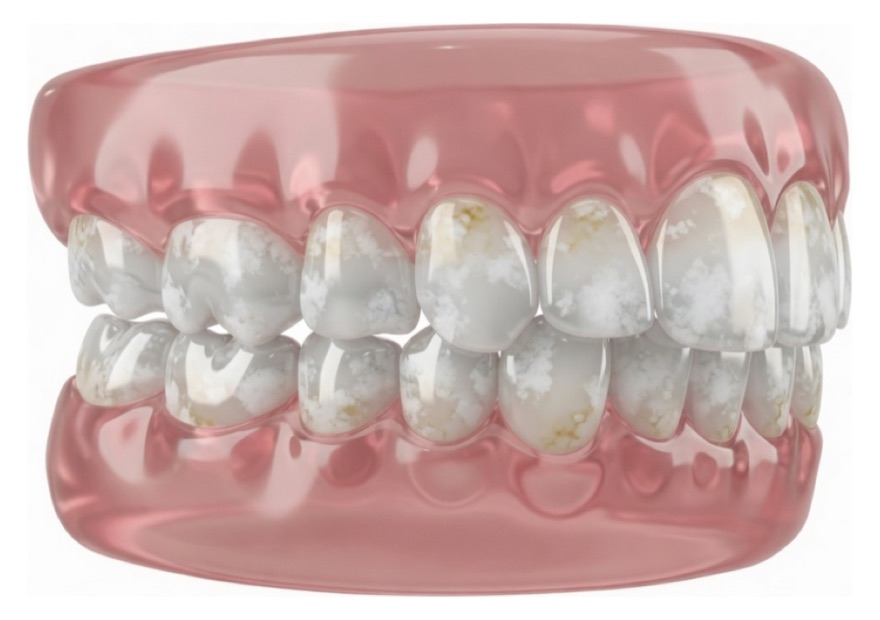
Fluorosis spots on the enamel

Fluorosis

White and yellow-brown spots from excess fluoride in childhood drinking water. Whitening barely removes them.

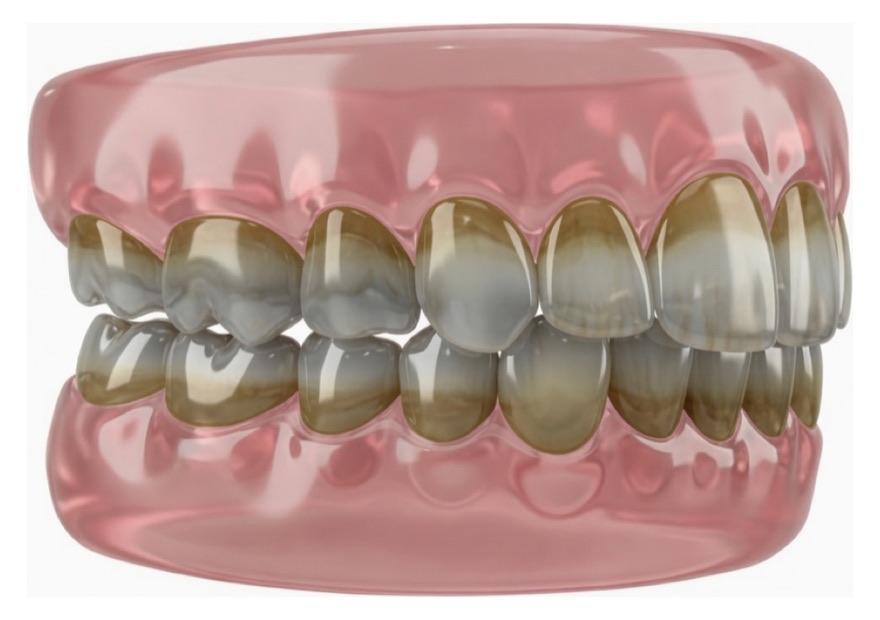
Tetracycline staining of the teeth

Tetracycline staining

A grey-green or yellow tint near the gum line from antibiotics taken in childhood. Whitening does not remove it.

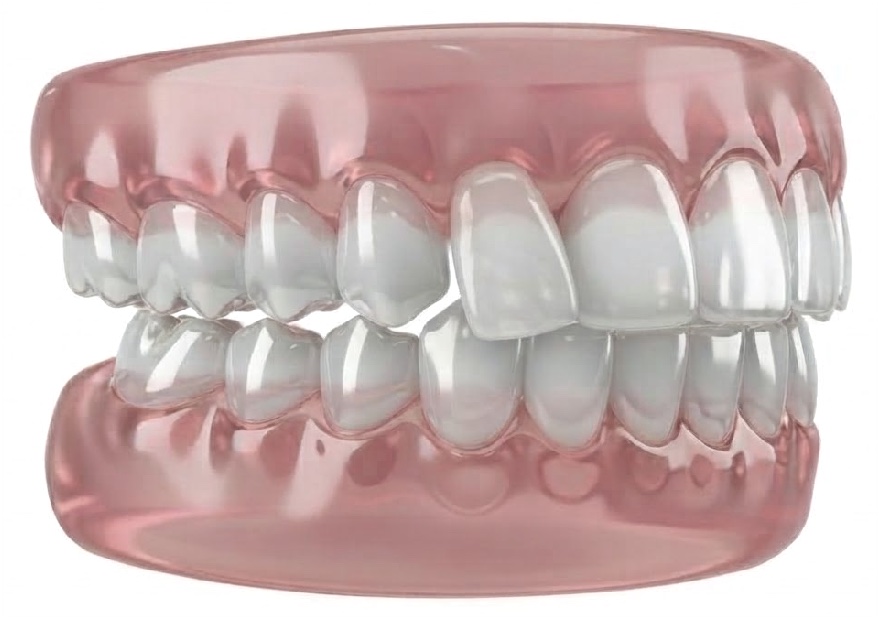
Clear aligners on the upper and lower jaw

Crowded teeth

A veneer hides slight unevenness. If the teeth are tightly crowded, we first align the row with braces or aligners, and only then decide whether veneers are needed.

Myth busting

Veneers and Lumineers: what is the difference

Lumineers are a brand, not a separate technology. They appeared when the thinnest ceramic was a millimetre thick. Modern materials make veneers thinner still.

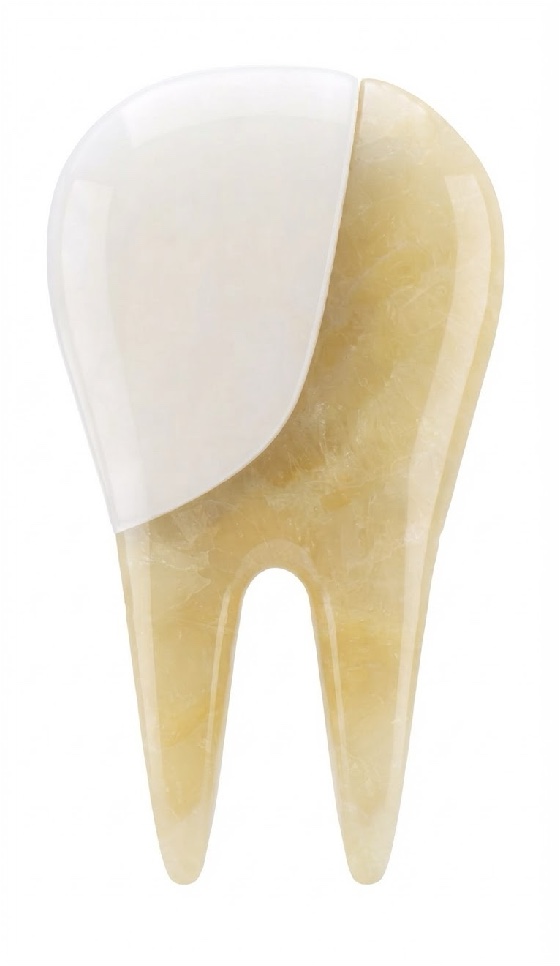
Porcelain veneers

A tooth with a porcelain veneer: a thin ceramic shell on the front surface
  • From 0.2 mm thick — modern ceramics allow it
  • The top layer of enamel is always removed: without it a veneer cannot be bonded

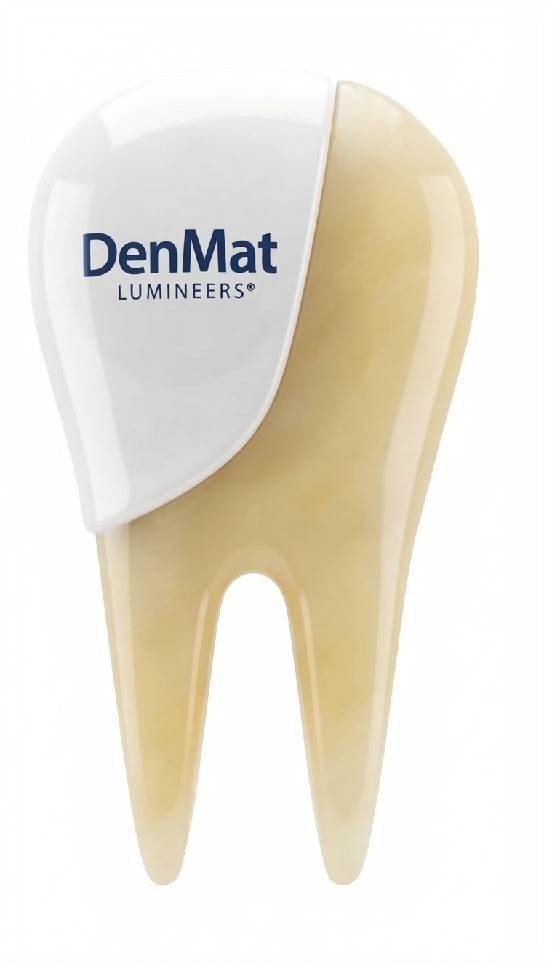
Lumineers

A tooth with a Lumineer: a shell by the DenMat Lumineers brand
  • The DenMat brand: made in a single laboratory in California
  • 0.5–0.7 mm thick, and the enamel still has to be prepared
We do not place Lumineers: only dentists certified by the manufacturer may work with them. Modern veneers solve the same tasks and come out thinner.
Articles

What is worth knowing about Lumineers

Briefly and honestly — about what usually goes unsaid.

01

Lumineers are not a “film on the tooth”. Busting the myth

Lumineers have long been wrapped in a legend: “ultra-thin”, “like a contact lens”, “stick them on and you are done”. It sounds good but has little to do with reality.

Read in full

Thickness is not a brand feature but the outcome of a particular case. One person’s tooth allows a genuinely thin shell, another’s does not. And that is normal: thickness is chosen to suit the shape of the tooth, the bite and the result you want — not a marketing slogan.

More than that: an ordinary feldspathic veneer built by hand by a technician can be even thinner than a “benchmark” Lumineer. The difference between Lumineers and veneers is not in millimetres. It is in something else: how much of your own enamel is removed before placement, and whether things can ever be put back as they were.

We do not sell the “0.2 mm” figure as an argument. At the examination we tell you which thickness suits your case — and why.
02

Why not every thin veneer is a Lumineer

There is one point many clinics keep quiet about: a “Lumineer” is not simply a type of veneer, it is a specific technology and a specific laboratory.

Read in full

Original Lumineers are produced in California, USA, using the DenMat technology: from the impression taken by the dentist, every shell is formed, fired and checked there. If the restoration was made in another laboratory — even a similar one, even a good one — strictly speaking it is no longer a Lumineer. It is an ultra-thin veneer, and calling it a Lumineer is incorrect, even if that makes it easier to sell.

We say this plainly, because for us the difference matters not as a name but as honesty towards the patient. If you pay for a Lumineer, you should get the original — not a name that looks good on a price list.

03

Why there are so few certified Lumineer dentists in Dubai

Not every dentist, however experienced, may work with Lumineers. It is a separate certification: the dentist trains with the manufacturer, demonstrates skill with that particular system, and only then earns the right to place Lumineers officially.

Read in full

There are few such certified dentists in Dubai — not because the technology itself is difficult, but because certification takes time, separate training and proof of qualification, rather than a simple wish to add a service to the price list.

When choosing a dentist for Lumineers, it is worth asking directly whether they hold a certificate for that specific system. It is not a formality — it is your guarantee that the placement follows the manufacturer’s protocol rather than being done “by analogy” with ordinary veneers.

Materials

What veneers are made of

Porcelain does not darken, absorb pigment or collect plaque. But porcelain differs from porcelain. Every material we work with is certified.

E-max

The core is milled from a digital file or 3D-printed and pressed into ceramic, which makes the shell particularly thin. On top the technician layers ceramic so the teeth look natural. The process is partly digital, so it costs slightly less than handwork.

Feldspathic ceramic

The technician layers ceramic by hand onto a refractory model and fires it in a furnace — with no substructure. The tooth is prepared from 0.2 mm. The most painstaking and most expensive technique: it reproduces translucency and the character of a living tooth most accurately.

Composite

This used to be called aesthetic restoration: the dentist layers the material directly in the mouth. The work is painstaking, so it costs little less than porcelain. Composite is a plastic: after a year and a half to two years it absorbs pigment, darkens and needs polishing. We do not recommend it.

First — a try-in of the shape

Whatever the material, we do 3D modelling: you see your future teeth on your own photo, even in motion. The shape can be tried on in your mouth with a plastic mock-up — and only then does the work begin.

How it works

From the first visit to the finished smile

The indirect method — the one used for porcelain veneers.

01

Examination and choosing the option

We check the condition of your teeth and gums, discuss shape and shade, and choose the type of veneer together with you.

02

Tooth preparation and impression

The dentist prepares the surface of the tooth and takes an impression. From it the technician makes the veneers in the laboratory. We do not work with cheap materials or laboratories — only certified ones: cheap ceramic has no long-term clinical record.

03

Temporary veneers

While the veneers are being made we fit temporaries on temporary cement — they protect the teeth, which can be sensitive after preparation.

04

Try-in and placement

We try the finished veneers in, check shape, shade and bite — and only then bond them with permanent cement.

The laboratory usually needs 10–12 days. If you are in Dubai briefly, we can make the veneers in 3–4 days — without losing quality.

Prices

We name the exact amount after the examination — before any work starts.

Veneer consultation300 AED
E-max porcelain veneer, one tooth1850–2200 AED
Feldspathic ceramic veneer, one tooth2500–3500 AED
Composite veneer, one tooth1000–1500 AED
The final amount depends on the material, the number of teeth and whether preparation is needed: treatment of decay and gums is counted separately. We give the exact figure after the examination — before any work starts.
Honestly

What to know before, not after

Veneers are an almost irreversible decision. These are things to learn at the consultation.

Removed enamel cannot be put back

The enamel removed is minimal, but the process is, honestly, irreversible. People often say: “Try it, you can always take them off.” But once a veneer is removed the tooth is frequently sensitive, and it will still need covering with something.

The mouth must be healthy first

Decay, gum inflammation and untreated canals are dealt with before veneers, not after. Otherwise the shell sits on top of the problem and hides it from view.

Veneers can chip

Thin ceramic does not like nuts or bottle caps — nor, for that matter, does your own enamel. With bruxism a night guard is needed.

Hygiene still matters

There is always a microscopic seam between the veneer and the tooth, and decay can develop unnoticed behind a beautiful facade. So careful hygiene and regular check-ups are essential. A veneer cannot be whitened or cleaned at home.

Where we do not cut corners

Years of working in the UAE have led us to a simple conclusion: cheap materials and laboratories cost more later — in redos and in gum health. So we work only with certified materials and trusted laboratories, and we guarantee both the work and the material. We do not do “20-minute” placements: the edge of the veneer must sit precisely on the tooth and be polished, otherwise inflammation starts under the gum.

Results

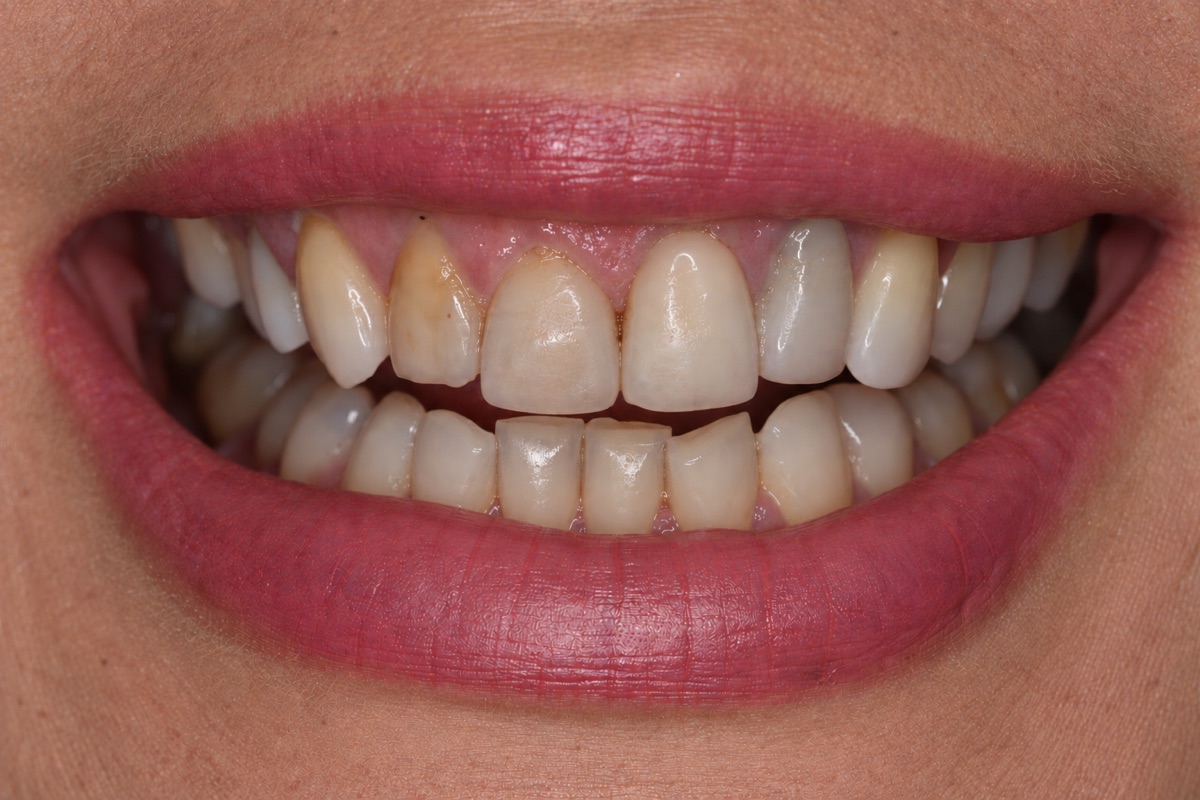
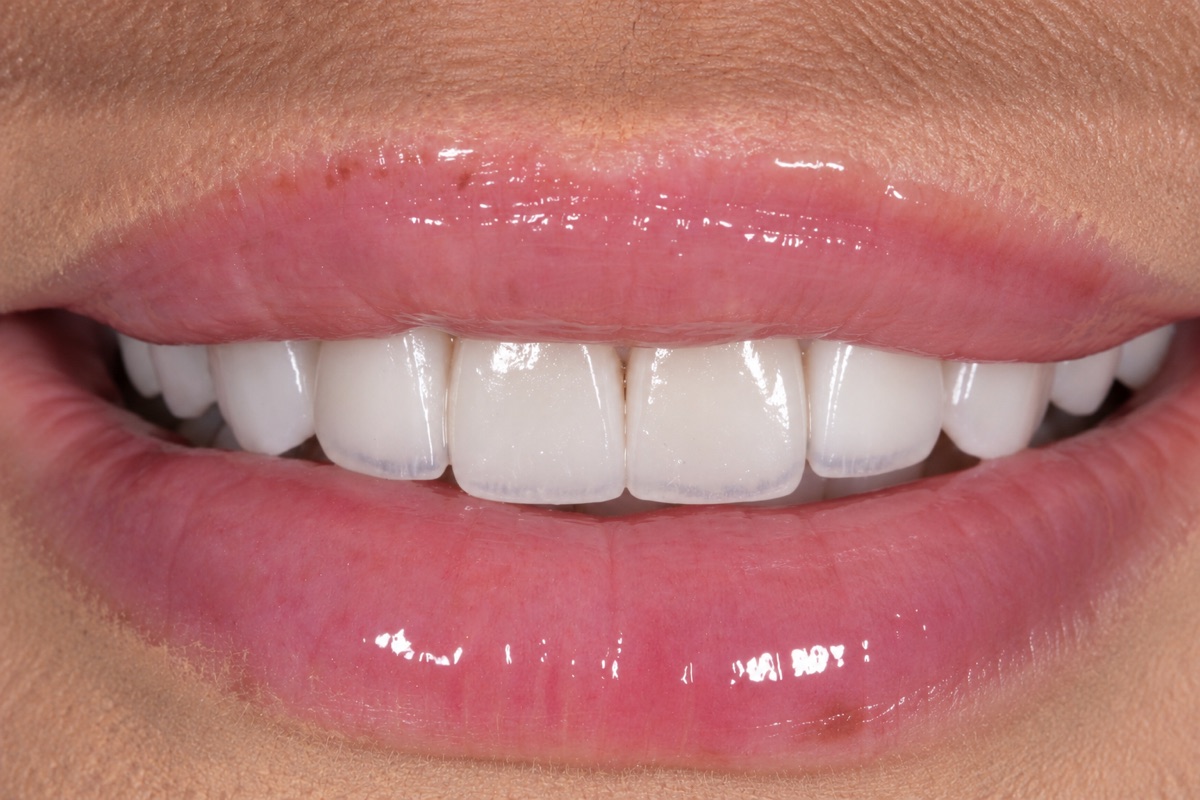
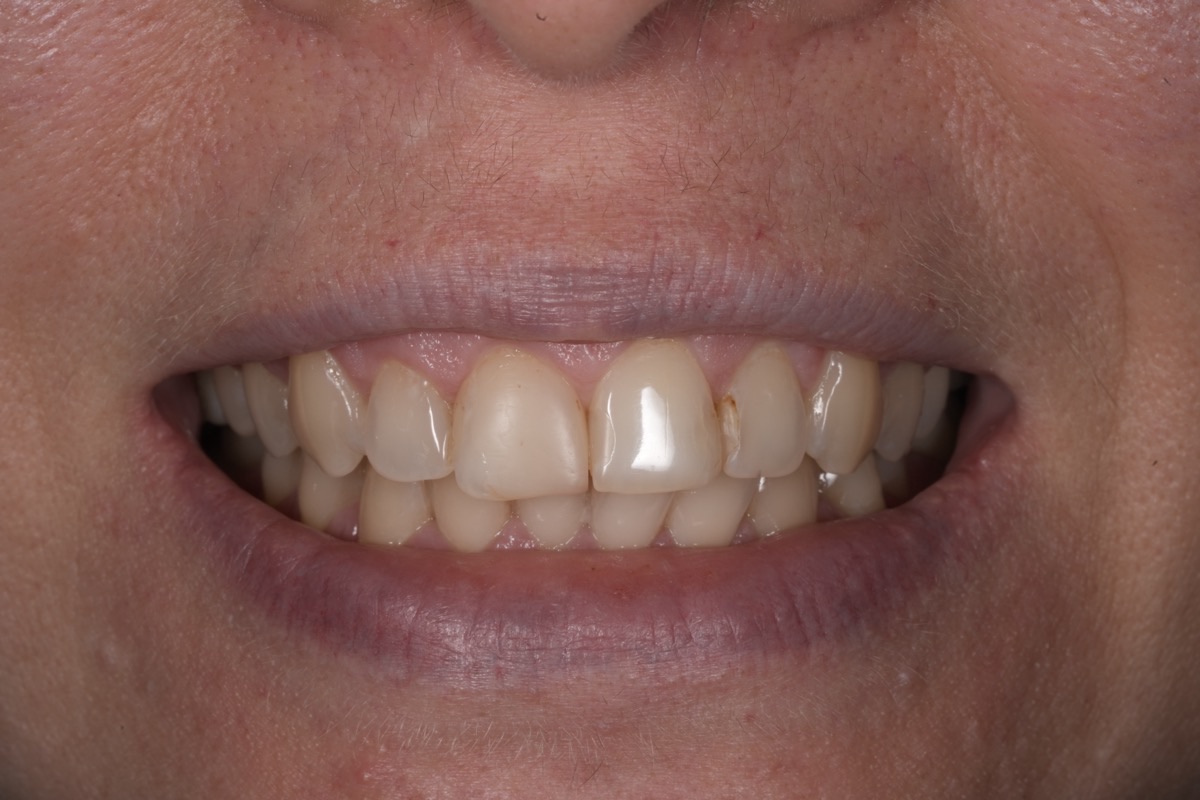
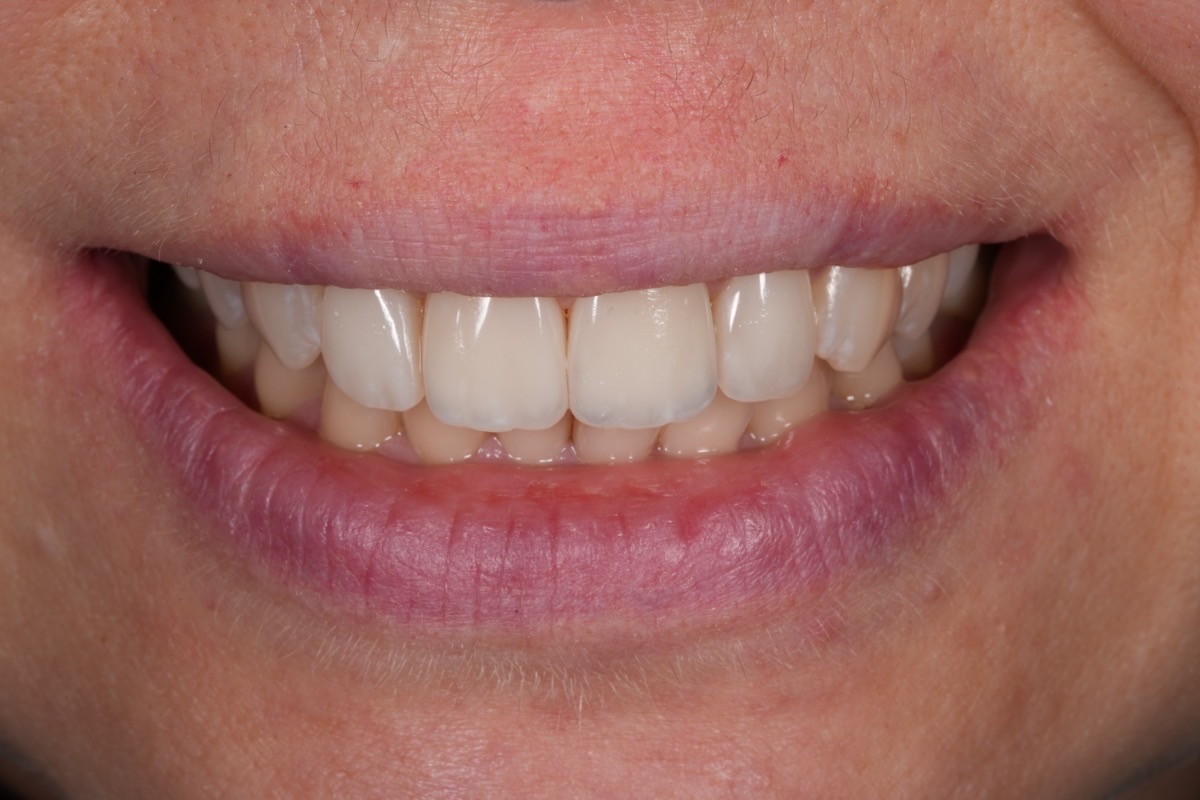
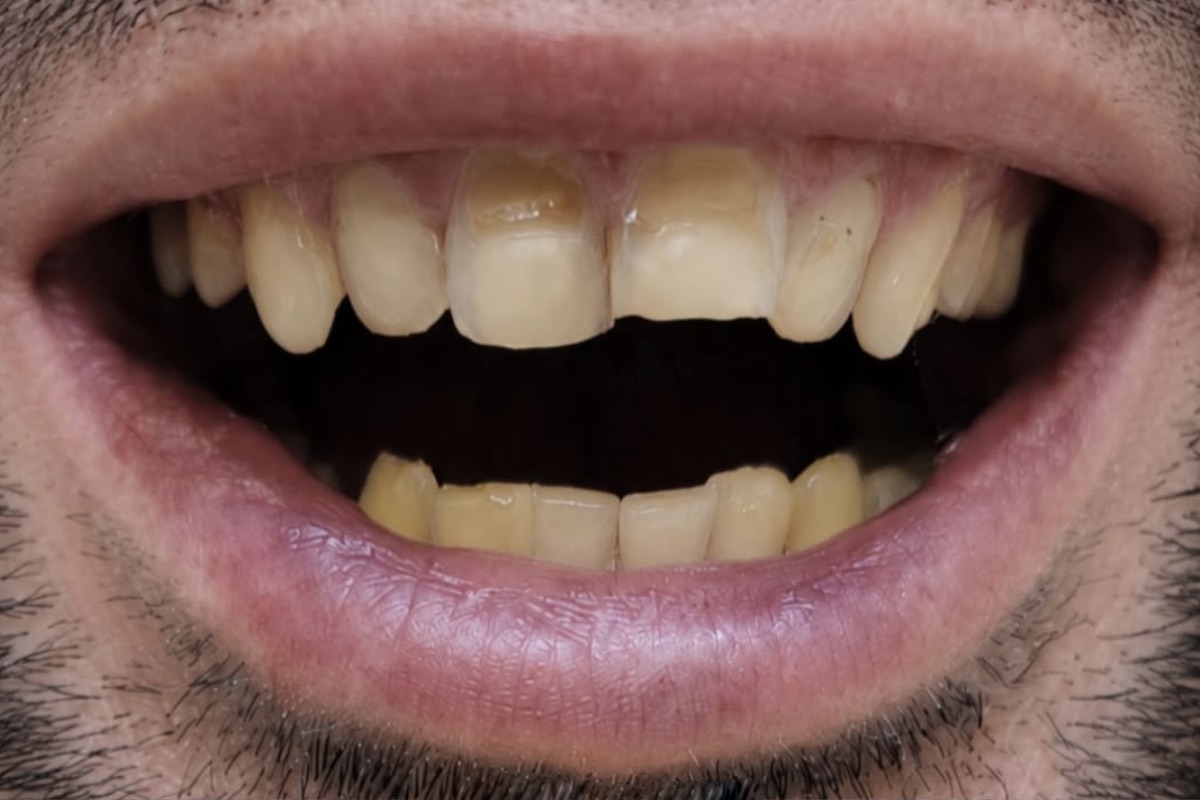
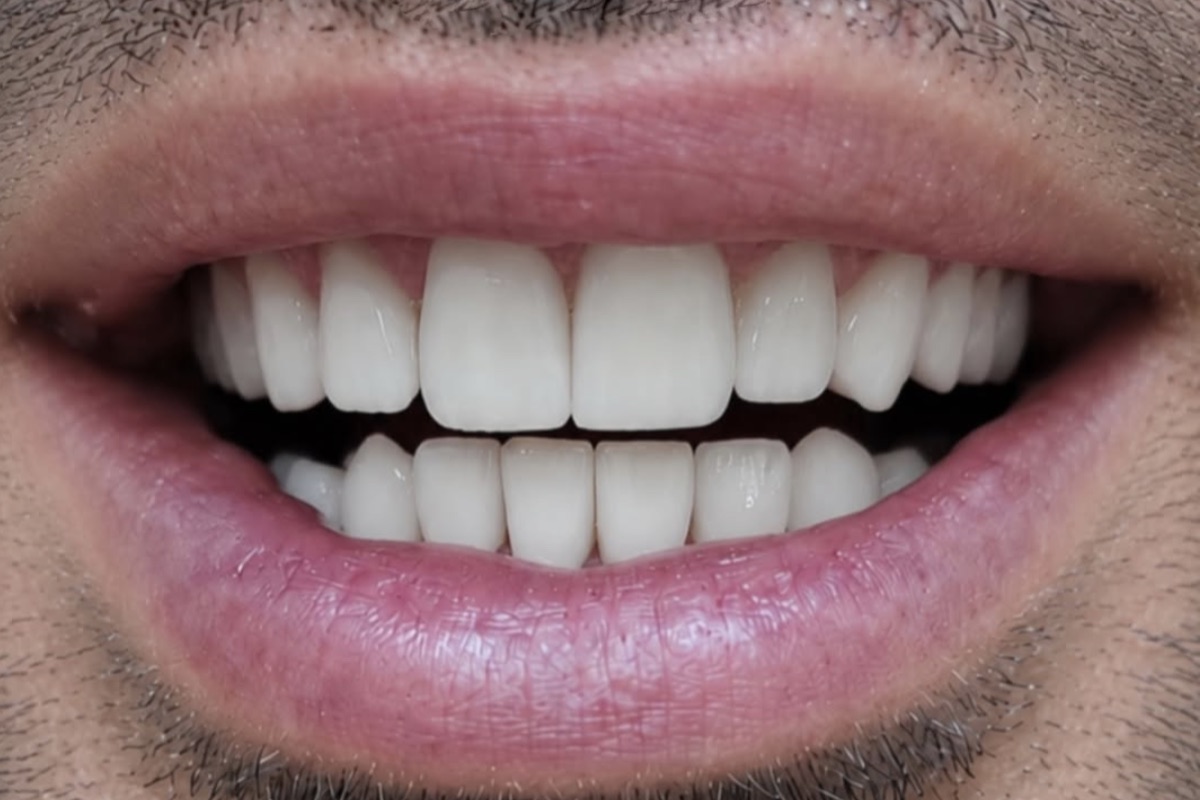
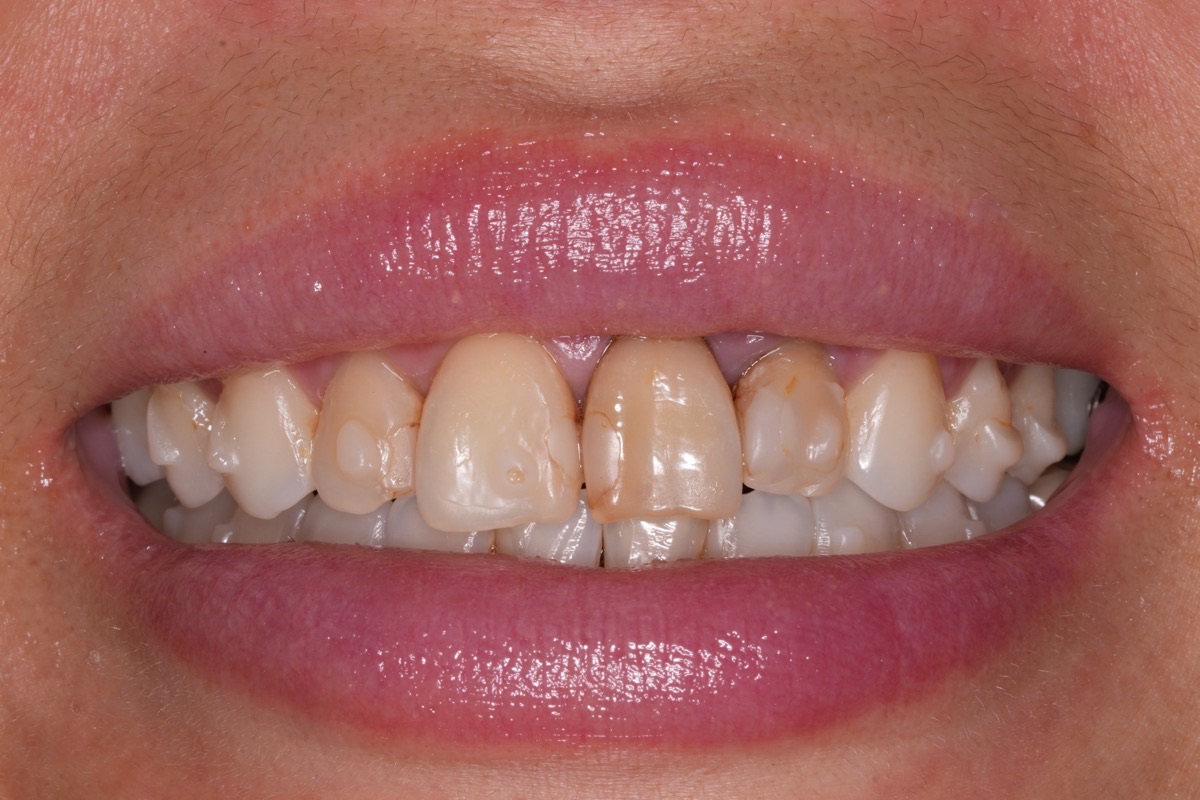
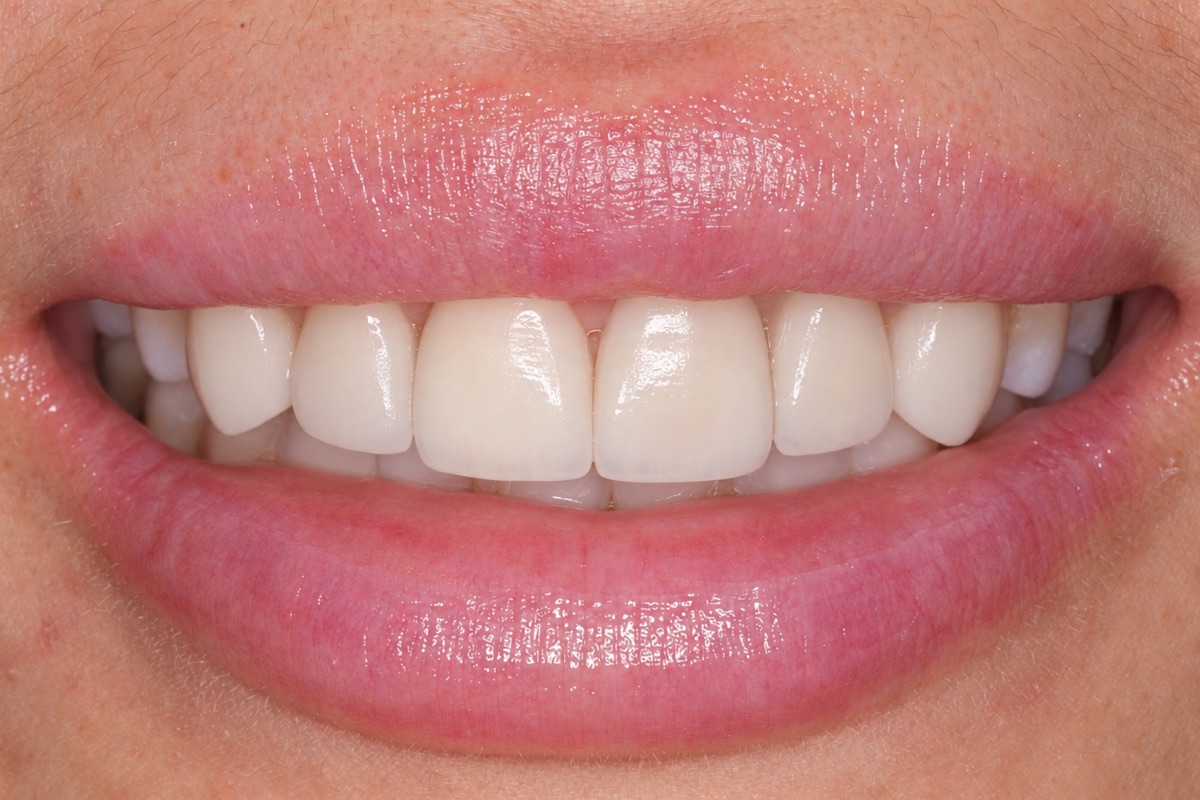
Before and after

Work by the clinic’s dentists. No retouching or colour correction.

A smile before veneers were placedbefore
The same smile after veneers were placedafter
‹ ›
A smile before veneers were placedbefore
The same smile after veneers were placedafter
‹ ›
A smile before veneers were placedbefore
The same smile after veneers were placedafter
‹ ›
A smile before veneers were placedbefore
The same smile after veneers were placedafter
‹ ›

Drag the slider on a photo to compare. Results are individual and depend on the starting condition of your teeth.

Head doctor

Yevhenia Zykova

Yevhenia Zykova, head doctor of the clinic
Head doctor, dentist, prosthodontist · 16+ years

Graduated from the dental faculty of Kyiv Medical University in 2009, has practised ever since, and has been seeing patients in the UAE since 2016.

  • All types of prosthetics: on implants, veneers and crowns, aesthetic prosthetics
  • Minimally invasive preparation for ceramics — under the microscope
  • 3D smile design before treatment begins
  • Restorations under the microscope
  • Prosthetics after implantation: All‑on‑4 and All‑on‑6
  • Ceramic inlays, full-mouth prosthetics, work in a digital protocol

Languages: Russian, English

Aftercare

Living with veneers

  • For the first few days the bite may feel unfamiliar. If you have not got used to it after a few days, tell the dentist — do not wait
  • Brush your teeth and gums as usual: the tooth under a veneer is alive and can still decay
  • Come in for check-ups: you will not spot decay behind a veneer yourself
  • If you grind your teeth in your sleep, you will need a night guard
  • Do not chew ice, nuts or pencils — the ceramic is thin and chips
FAQ

Frequently asked questions

Do veneers ruin your teeth?
No. The enamel removed is minimal — just enough for the veneer to bond securely. The nerve is not touched and the tooth stays alive. But veneers have their indications: if your teeth are healthy and you are happy with their shape, the dentist is more likely to suggest whitening.
How do veneers differ from crowns?
A veneer covers the front surface of a tooth, a crown covers the whole tooth. The material can be the same, E-max for instance — the difference is in the job. A veneer is an aesthetic restoration: it changes the shape and colour of the tooth. A crown is a therapeutic one: it wraps the tooth on all sides and keeps it from breaking down. If a tooth is badly damaged and rebuilt with a post or large fillings, a veneer will not do — a crown is needed.
Do veneers darken over time?
No. A porcelain veneer does not darken or change colour over the years.
How long do veneers last?
Usually 10–15 years — much depends on care. We have been following our earliest cases for 18 years now.
Can veneers be done in one trip to Dubai?
Yes, if no lengthy additional treatment is needed. Usually 4–7 days is enough — exactly one trip.
Can veneers be whitened?
No. Whitening agents act on enamel, not on ceramic. That is why the shade is chosen before placement — and if you plan to whiten your own teeth, do it beforehand.
How can I pay?
By card or in cash, and instalments are available through Tabby. We will discuss what suits you at the consultation, once the plan is clear.
Does insurance cover it?
Veneers are an aesthetic procedure, and insurance generally does not cover them, in the UAE or anywhere else. Treatment that may be needed before veneers — decay, gums — can well be covered by your policy. We will check at the consultation.

Book a consultation

An examination, a discussion of shape and shade, and an honest answer: whether veneers suit you and what has to be done first.

  • The dentist examines you and says whether veneers suit your case
  • Shows the future shape of your teeth in 3D
  • Quotes the price after the examination, before any work starts
  • If treatment is needed first, says so directly

We reply during the next working hours. Sending a request commits you to nothing.

Address

How to find us

AddressVilla 761, Al Wasl Road, Al Safa 2, Jumeirah, Dubai, UAE
HoursMon–Sun, 09:00–21:00, no days off
Phone+971 56 541‑72‑70
Contact
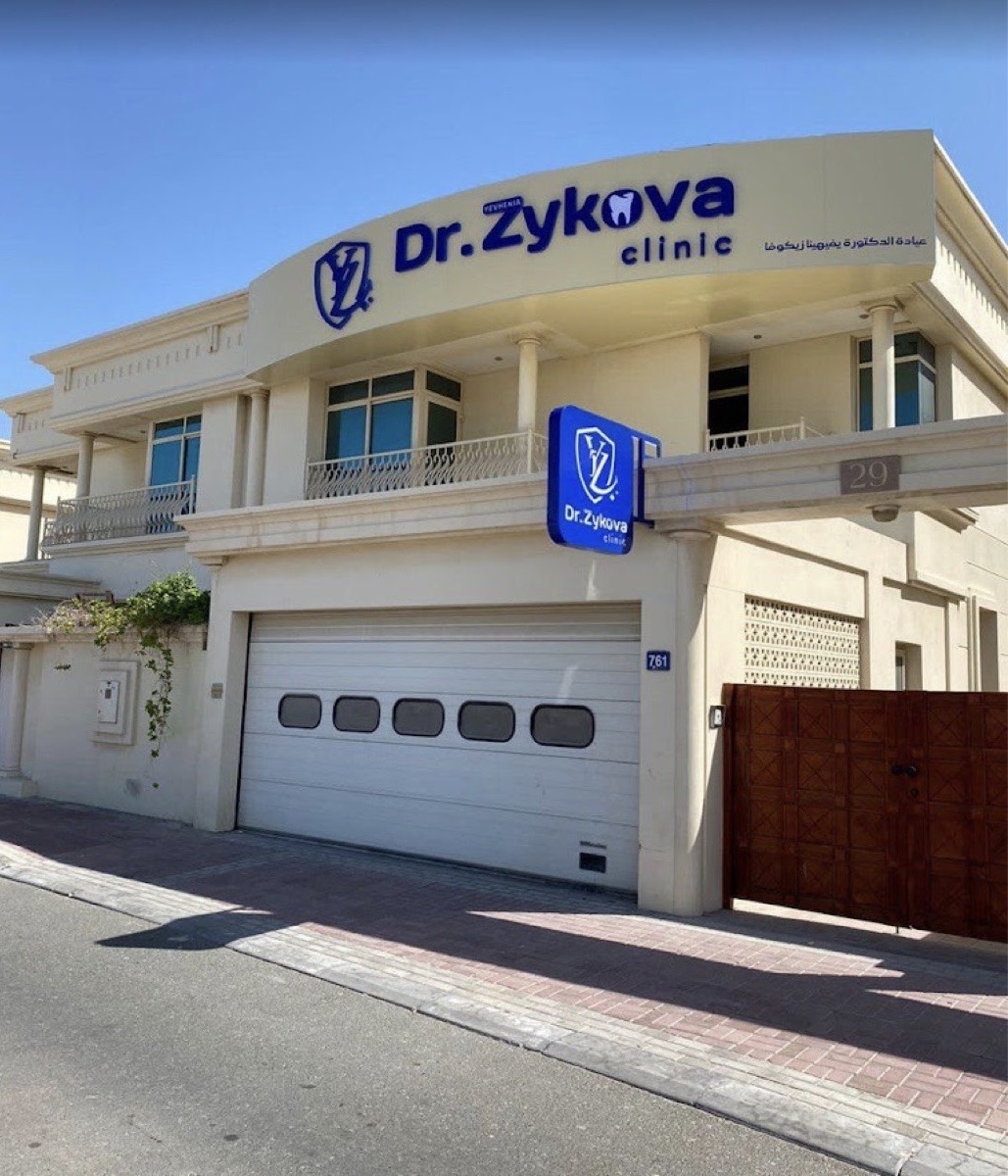
The Dr. Zykova clinic building, villa 761 on Al Wasl Road

Start with a consultation

An examination, a discussion of shape and shade, a clear plan and a price. If treatment is needed first, we tell you straight away.

Villa 761, Al Wasl Road, Al Safa 2, Jumeirah, Dubai · 7 days a week, 09:00–21:00 · +971 56 541‑72‑70 · contact@dental-clinic.ae